

GPT-5 has arrived to raise the bar: faster, more accurate, and with more reliable answers than ever.
The new GPT-5, released in August 2025 by OpenAI, brings a set of features and improvements that promise to transform how we interact with artificial intelligence. Recognized as the most powerful and advanced model to date, GPT-5 is already being widely adopted worldwide.
This model marks the beginning of a new generation of large language models, designed to excel in complex reasoning, deep knowledge, and multifaceted tasks, establishing itself as a true milestone in AI evolution.
Main new features of GPT-5
-
Reliability and accuracy: GPT-5 is more reliable, intelligent, and with a higher level of complexity.
-
Fewer errors: Significantly reduces the likelihood of incorrect answers compared to previous models.
-
Customization: Allows adjusting communication style, tone, and even visual elements of the interface.
-
“Thinking” mode: The model identifies when a request requires deeper reasoning and provides more elaborate answers.
-
Limitation management: When it cannot fulfill a request, GPT-5 explains why instead of generating inaccurate responses.
-
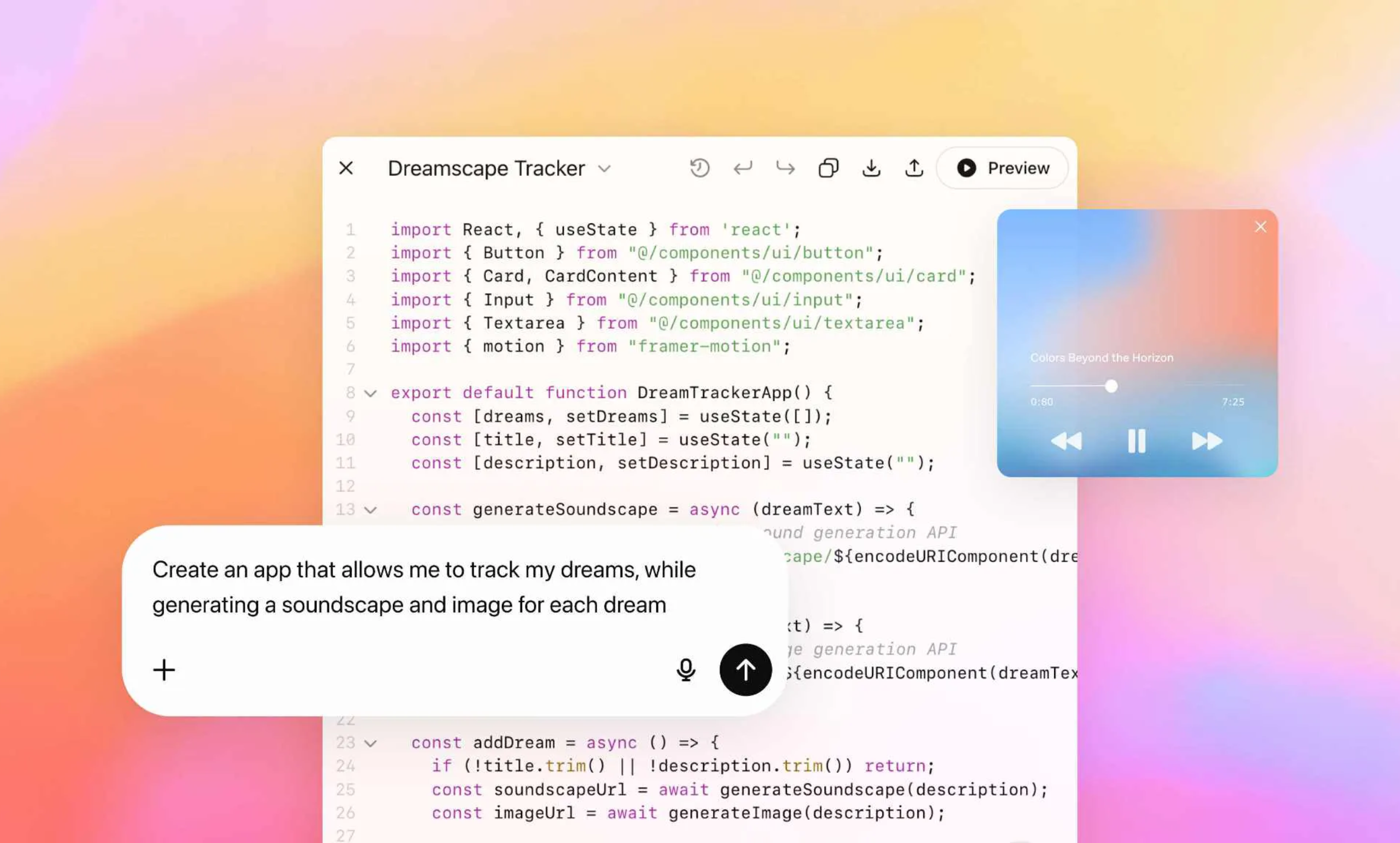
Development capability: It is capable of creating complete software and web applications from a single prompt.
-
Clearer communication: More contextual responses, with fewer redundancies and greater adaptation to the user.
-
Versatility in writing: Produces texts tailored to different objectives, from creative content to technical and formal documents.
-
Performance in specialized areas – It stands out in fields such as health, law, and programming, with more consistent results than previous versions (without replacing human experts).
A milestone in artificial intelligence
GPT-5 presents itself as a completely renewed model, more accessible thanks to efficiency improvements and significantly more powerful in its functionalities.
The release of this version, eagerly awaited, marks a milestone in the history of artificial intelligence — not only for its greater reliability and accuracy, but also for its ability to adapt to different contexts, sectors, and users.
Image: OpenAI/Reproduction
Share this article:
How to start the Zero Waste challenge?
Green innovation: startups in Portugal that combine environmental impact and technology