

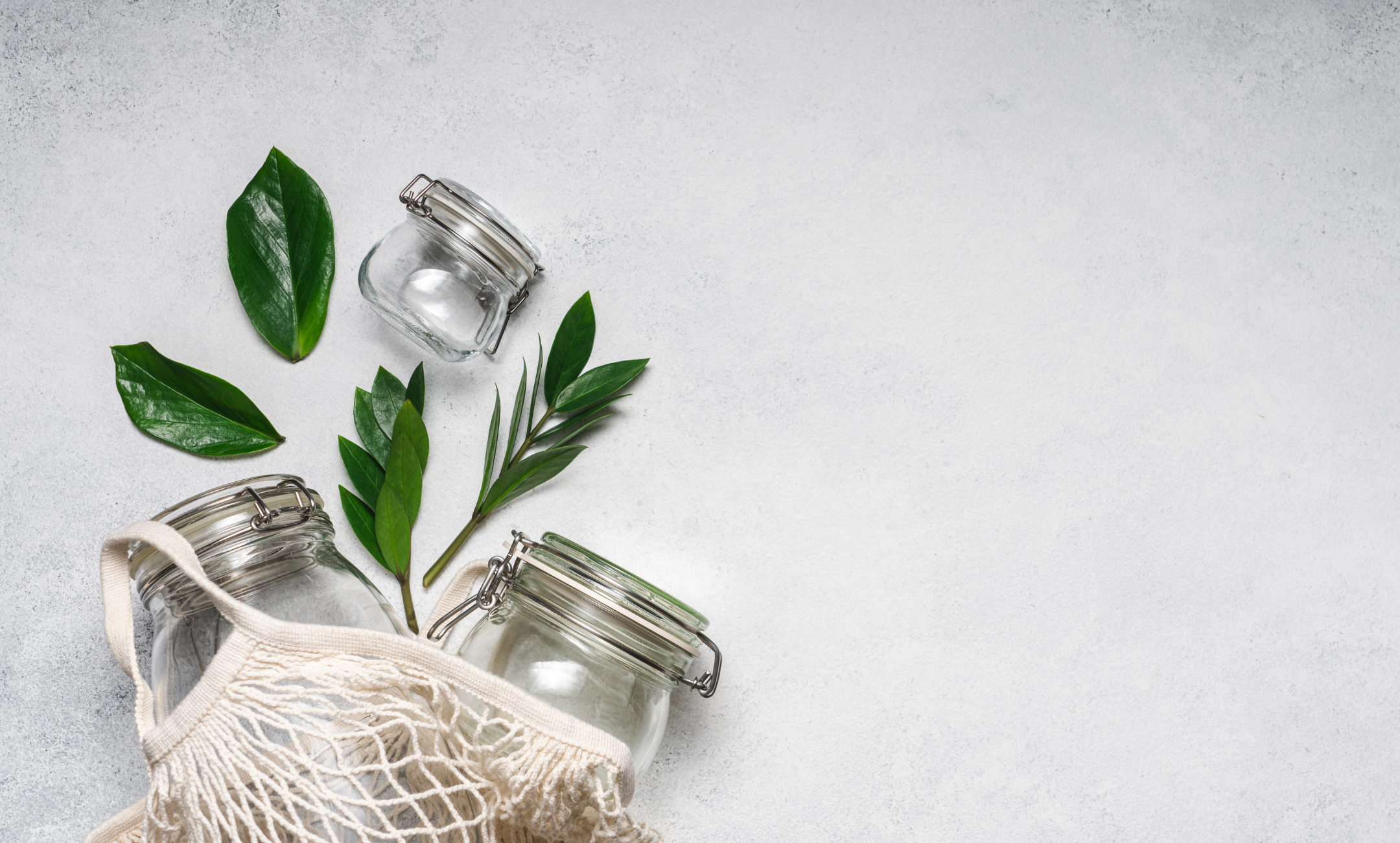
Adopting the Zero Waste challenge is a practical and conscious way to reduce environmental impact in daily life. More than a trend, it is a sustainable lifestyle that encourages small changes but with great results for the planet. From simple choices, like replacing plastic bags with reusable bags, to deeper decisions, like rethinking consumption habits, the Zero Waste movement helps us live more balanced, responsible, and environmentally friendly lives.
If you also want to start this journey but don't know where, in this article you will find simple and accessible tips to take the first steps, learn about the 5 Rs of sustainability, and discover how to overcome the main obstacles.
Choose an area of your life
First, start with just one area of your home or routine. It can be, for example, the bathroom, where you can swap cotton swabs and toothbrushes for more sustainable options. You can also start in the kitchen, eliminating plastic bags or bottles, or even in shopping, avoiding products with excessive packaging.
The strategy is simple: start small, build the habit, and over time, expand the Zero Waste challenge to various areas of your life.
The 5 Rs of Zero Waste
One of the fundamental pillars of a sustainable lifestyle is adopting the 5 Rs:
-
Refuse: everything you don't need, such as bags, flyers, and freebies. Refusing helps avoid consumerism and unnecessary waste.
-
Reduce: decreases what you consume excessively, like clothes, gadgets, or packaging. Buy only what is truly useful.
-
Reuse: gives new life to products whenever possible, such as bags, jars, or packaging.
-
Recycle: separate and recycle what you cannot avoid. This way, materials return to the production cycle and do not end up in the trash.
-
Rethink: reflect on your role on the planet and how you can improve. Ask yourself: “What can I do differently to have a positive impact?”
Sustainable swaps in daily life
Another practical way to start the Zero Waste challenge is to make small sustainable swaps in your routine. Gradually, these changes bring a big impact. Some simple ideas:
-
Use reusable bottles instead of disposable plastic bottles.
-
Bring cloth bags for shopping instead of using plastic bags.
-
Choose cloth napkins, menstrual cups, wooden toothbrushes, and other environmentally friendly products.
Where to support sustainable shopping?
Look for zero waste stores near you or support local businesses that promote reusable and recyclable products.
Be aware of greenwashing. Some brands try to appear sustainable through misleading marketing practices, when in reality their products or services are not that environmentally friendly. Inform yourself well before buying and prioritize conscious choices.
The obstacles of sustainability
It is normal to think that we cannot follow this challenge, whether because we believe it is expensive, requires too much time, or because no one around us does it.
However, sustainability is above all a matter of habit. What seems difficult at first becomes natural over time. Moreover, many sustainable products may seem more expensive initially, but they end up paying off in the long run because they help reduce consumption and save money.
Another common block is the thought “If no one does it, why should I be the one to do it?”. The truth is that change starts with each of us. Your example can inspire others and create a positive effect. Sustainability should begin as a personal commitment, without depending on what others do.
Celebrate your achievements
Finally, remember to celebrate every small victory and learn from mistakes. Assess your progress, see what you can improve, and value what you have already achieved.
Adopting the Zero Waste challenge is not a strict rule, but rather a sustainable lifestyle that promotes learning and evolution. Small consistent actions can have a big impact on the world.
Final tip: there are no failures, only new opportunities to learn and evolve. Start today with simple steps, like reducing the consumption of plastic bottles and bags, and discover how these sustainable swaps can transform your life and help the planet.
Image: Ana Puzatykh/Reproduction
Share this article:
How to clean your PC or laptop: simple and effective guide
GPT-5: everything about the latest ChatGPT update