

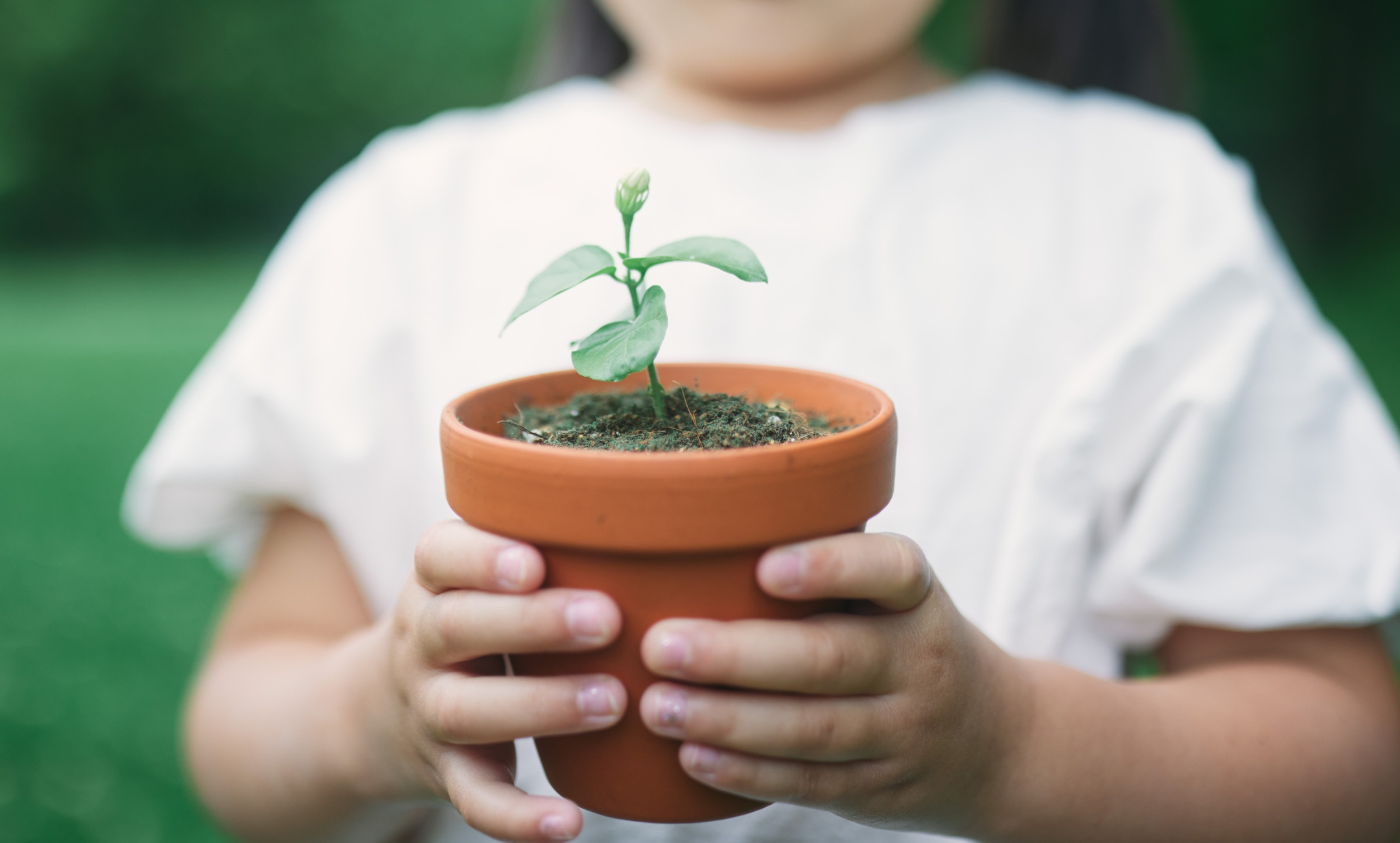
We often say that "children are the future," and that is an unquestionable truth. They are the ones who will live in a world deeply affected by climate change and an increasingly fragile environment. Therefore, it is essential to educate them early about what it means to be sustainable and the importance of taking care of the planet.
Sustainability is an increasingly present topic in society, and rightly so. It is urgent to act, protect natural resources, and promote conscious behaviors that ensure a more balanced future. What we teach children today will be what they carry with them and put into practice in the future.
Parents and schools play a fundamental role in shaping children, not only in academic teaching but also in transmitting values. It is their responsibility to show, through example and practice, that small actions can have a big impact. Teaching a child to care for the environment is also teaching them to care for people and the place where they live.
This sustainable education can start with simple gestures. One of the most effective ways to teach is through games and playful activities that awaken curiosity and empathy. It is not necessary to create something elaborate; the important thing is that the message is engraved in their little hearts.
Activities like planting a tree, sorting waste, reusing plastic bottles, donating clothes or toys, reducing shower time, or walking in nature are practical opportunities to teach the importance of sustainability. Each of these actions helps develop a sense of responsibility and respect for the environment.
Furthermore, involving children in school or community projects, such as urban gardens, recycling campaigns, or swap fairs, can strengthen the sense of belonging and show them that collective effort brings concrete results.
More important than any activity is the example adults set. Children observe, imitate, and learn from the behavior of parents, teachers, and caregivers. When adults demonstrate conscious attitudes, such as reducing consumption, avoiding waste, and valuing what is natural and lasting, they inspire the young to do the same.
One of the United Nations Sustainable Development Goals (Goal 4 – Quality Education) precisely highlights this target: "By 2030, ensure that all learners acquire the knowledge and skills needed to promote sustainable development." This goal reinforces the importance of integrating environmental education and ecological citizenship from the earliest years of life.
Talking about sustainability with children is, therefore, investing in the future of our planet. By teaching them to respect the environment and make conscious choices, we cultivate values such as empathy, responsibility, and solidarity. More than activities, what truly marks them is the daily example they receive. By acting consciously and involving the young ones in sustainable practices, we are shaping citizens committed to a better world, a world that will be theirs.
Image: Aflo Images/Reproduction
Share this article:
Artificial Intelligence, innovation with huge energy costs
Community recycling: success stories around the world